Crushed Stone Aggregate vs Gravel: What’s the Difference?
When planning a landscaping or construction project, materials like Crushed Stone, Gravel, Pebbles and Aggregate are often grouped together despite serving different purposes. While the differences may seem minor, choosing the right material can impact the structural integrity, drainage, stability and appearance. In this guide, we’ll walk you through each material, its uses, and where it works best, to help you select the right one for your next project.
What is Construction Aggregate?
Aggregates are an umbrella term for granular stone and mineral materials that can be used on their own or in cement and other binders. These bulk gravel and aggregates are a key component used in landscaping or construction to improve the structure.
Types of Aggregate
- Natural aggregates: Quarried, mined or dredged from natural deposits and used as they are or processed (crushed, washed and graded by size). Includes crushed stone, sand and gravel.
- Manufactured aggregate: Material that undergoes industrial processes like thermal or other processing, such as iron and steel slag, ash and expanded clay.
- Recycled aggregates: Produced from recycled materials used in construction, including demolished concrete, asphalt, etc.
Aggregates are primarily used to strengthen foundations and road asphalt due to their ability to withstand heavy loads. They are also commonly used in driveways, pathways and other residential and commercial projects.
What Is Crushed Stone Aggregate?
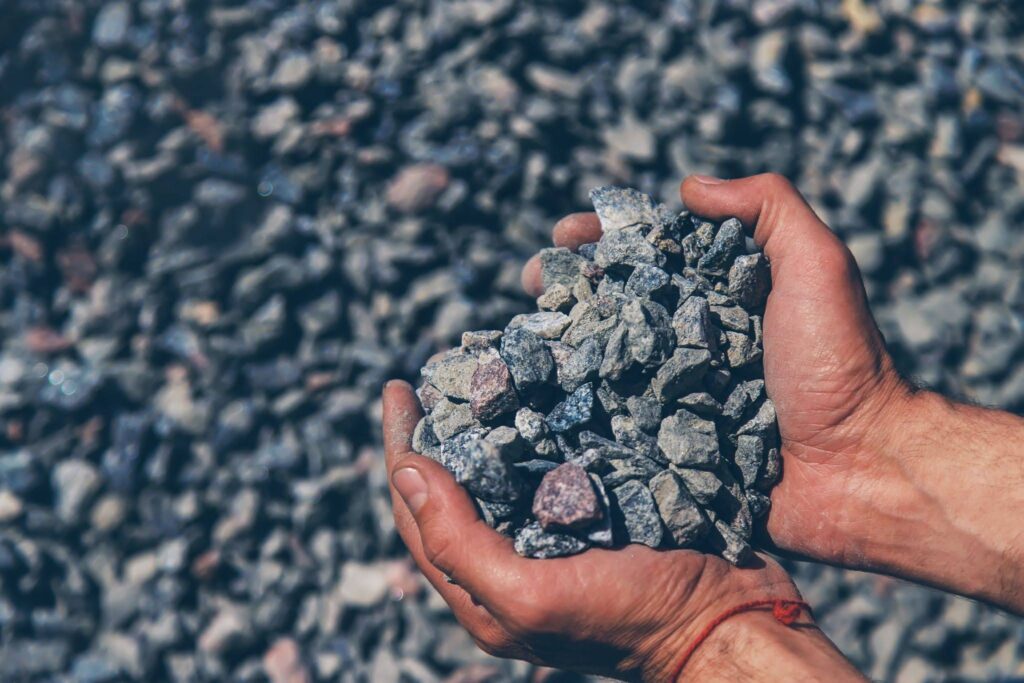
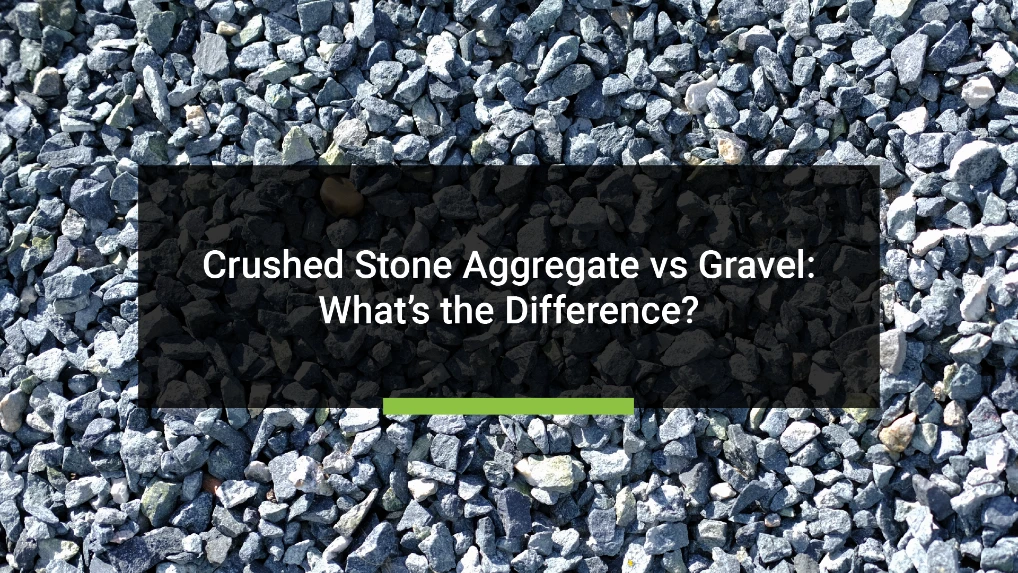
Crushed stone is a type of aggregate created by the process of mechanically crushing large quarry rocks into smaller pieces. The fragments are then separated by size for different grading requirements used in a variety of applications.
The crushing process produces coarse, angular particles with high compaction properties that allow the material to lock together and achieve high stability and strength.
The Uses of Crushed Stone Aggregate
Due to its strength, stability and compaction properties, crushed stone is best suited for use in:
- Structural foundations
- Concrete slabs
- Driveways & pathways
- Road base & subbase
- Surface dressing
- Retaining wall base
- Pipe bedding
Soilworx offers fast and reliable crushed stone delivery
What is Gravel?
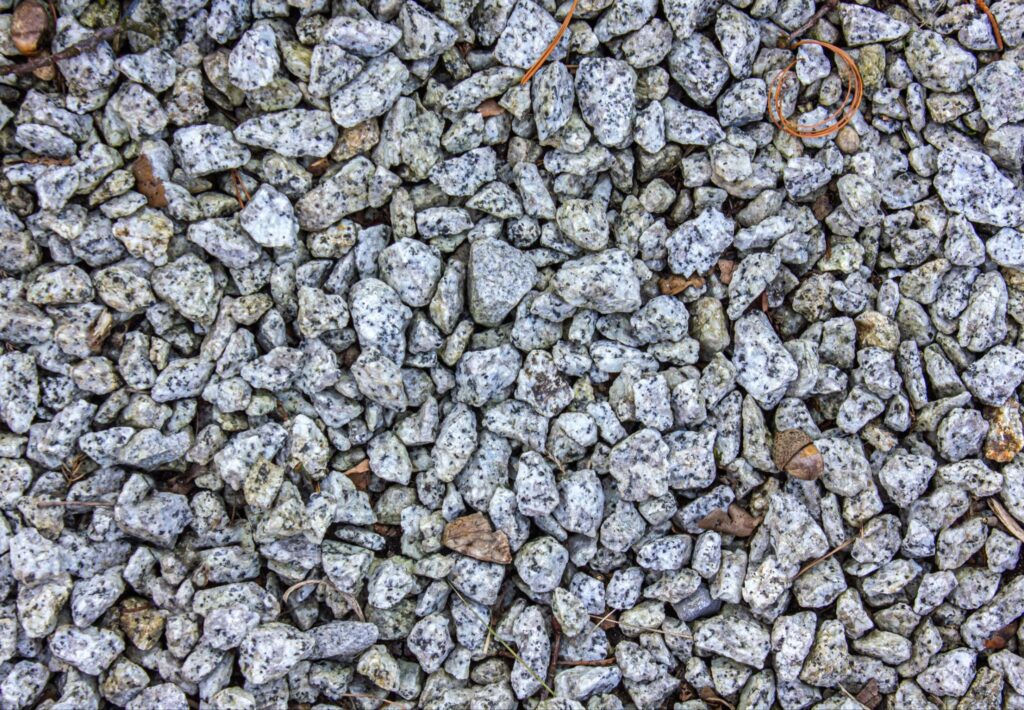
Unlike crushed stone, gravel is a naturally occurring aggregate. Sourced from natural deposits, gravel is formed over time through weathering and erosion, breaking down larger rocks.
As these rock fragments are transported by rivers, streams and coastal movements, their features become more rounded, giving gravel its characteristic smooth appearance and texture. Gravel varies in size, colour and composition depending on the natural source and rock makeup.
For small deliveries of gravel & aggregates, Soilworx is a trusted gravel supplier offering quality materials for residential and commercial projects across Melbourne.
The Uses of Gravel
As gravel has a high permeability, decorative appeal and versatility, it is commonly used in:
- Pathways & garden beds
- Decorative landscaping
- Drainage aggregate
- Concrete mixes
- Road subbase (after crushing and grading)
Where Do Pebbles Fit in?
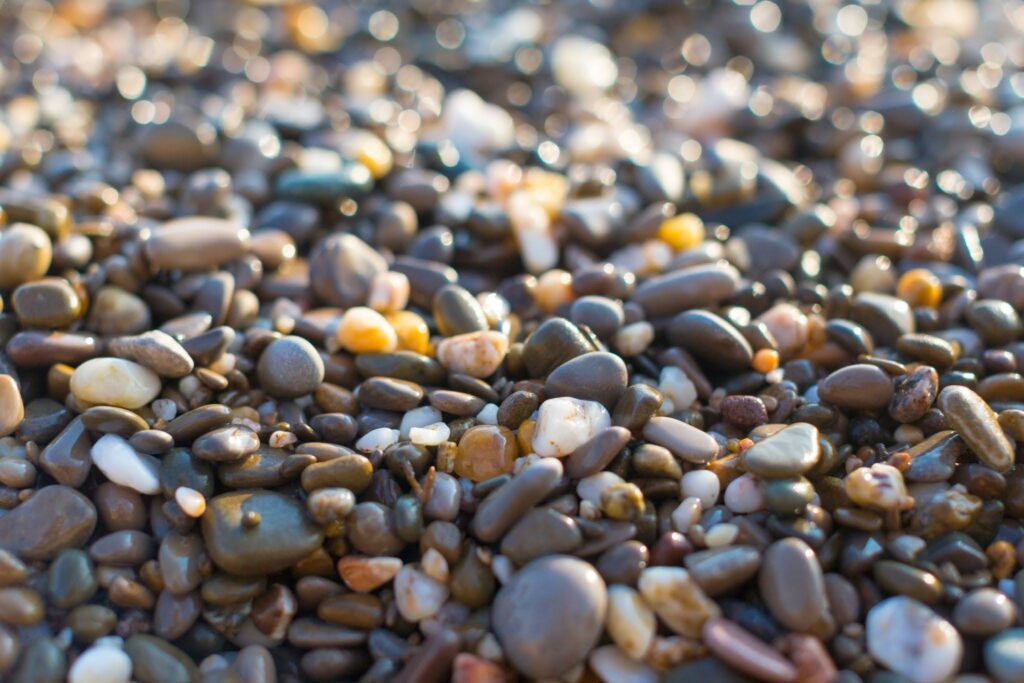
While aggregates like crushed rock and gravel are chosen for their structural and drainage properties, pebbles are generally selected for their decorative appeal. They add texture, colour and enhance the appearance of outdoor spaces. Pebbles are smooth, small, and rounded, sometimes with a polished finish, and they create a refined look that suits a range of outdoor designs.
Explore Soilworx’s range of bulk pebbles and stone, and smaller-quantity pebbles and stone, available in a variety of colours, sizes and finishes, to suit projects of all sizes, from landscape installations to home garden updates.
The Uses of Pebbles
Pebbles are decorative and typically chosen for their appearance rather than structural properties. They are commonly used in:
- Pathways
- Garden edging
- Landscaping
- Water features
- Decorative features
- Potted Plants
How to Choose the Right Material for Your Project
The materials selected for your project will determine the overall strength, durability and performance of the finished result. Understanding the key differences among aggregates like crushed stone, gravel, and pebbles can help you choose the best-suited material for your requirements.
| Crushed Stone | Gravel | Pebbles | |
| Origin | Mechanically crushed rock from quarries | Natural aggregate, sourced from natural deposits. Formed by weathering overtime and erosion from larger rock | Naturally rounded stones formed through water movement and erosion |
| Shape | Angular, rough, jagged | Smooth and rounded | Smooth and rounded |
| Texture | Coarse and compactable | Loose with varied sizes | Refined and often polished |
| Performance | Compact, locks together tightly for high stability and strength | Moderate stability, with movement under pressure | Decorative, chosen for appearance over structural strength |
| Drainage | Great drainage when properly graded | High permeability, rounded shape leaves gaps between stones | Good drainage for decorative landscaping |
| Appearance | Functional and industrial appearance | Natural and versatile | Decorative with strong visual appeal |
| Common Uses | Structural foundations, road base, concrete slabs and driveways | Pathways, landscaping, drainage and loose-fill driveways | Garden edging, water features, pots and pathways |
| Best For | Structural support | Drainage | Decorative landscaping |
While crushed stone, gravel, pebbles, and aggregate are often used interchangeably, each material serves a different purpose depending on the performance required, whether structural, decorative, or drainage. Understanding where they differ can help you choose the most suitable material for your next project.
Soilworx supplies a wide range of quality aggregates, including crushed stone, gravel, and pebbles, with delivery available across Melbourne for residential, commercial, and large-scale build projects.
Explore Soilworx’s range of crushed stone, gravel and pebbles for your next landscaping or construction project.
FAQs
What are the differences between crushed stone aggregate base and gravel?
There are a few key differences between crushed stone aggregate base and gravel. The most notable is the shape and function. Crushed stone aggregate base is mechanically crushed, resulting in angular edges that compact tightly for stable foundations. Gravel is naturally rounded and tends to roll. It is typically used for decorative landscaping, pathways and drainage.
Is aggregate the same as gravel?
No, aggregate is the broad category for granular materials used in construction and landscaping, such as sand, crushed stone, and gravel. Gravel is a type of aggregate that is sourced from quarries or riverbeds, commonly used for drainage, pathways and landscaping.
Is crushed stone better than gravel?
The best material option will depend on your project. Crushed stone is ideal for stability and compaction beneath driveways, paving and foundations. Gravel is better suited to decorative landscaping and drainage due to its smoother, rounded appearance.