Explore Unique DIY Landscaping Rock Projects for Your Garden
Creating a stunning garden landscape can be both rewarding and practical, especially when incorporating DIY landscaping rock projects. These projects not only improve the visual appeal of your garden but also enhance its functionality. SoilWorx provides guidance on different types of landscaping rocks, their benefits, and how to use them effectively. This guide also explains where to source bulk landscaping materials in Victoria, helping gardeners and DIY enthusiasts plan their projects efficiently.
Most Effective Landscaping Rock Types for DIY Garden Projects
Choosing the right rock is key to a successful DIY landscaping project. Different rocks serve aesthetic and practical purposes, including improving drainage and soil health. SoilWorx highlights the most effective options:
River Pebbles:
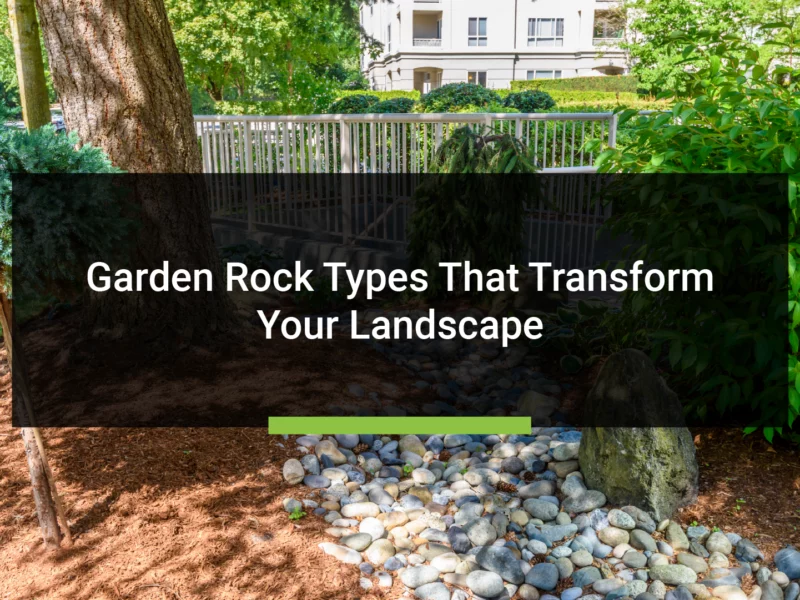
River pebbles are smooth, durable, and versatile. Ideal for pathways, decorative features, or water gardens, they bring a natural, flowing look to your outdoor spaces while supporting proper drainage.
Limestone:
Limestone adds a rustic, earthy charm to your garden. Perfect for borders, rock gardens, and retaining walls, it provides texture and structure while blending beautifully with plants and flowers.
White Pebbles:
White pebbles create a bright, clean aesthetic that suits modern garden designs. They reflect sunlight, brighten up garden beds, and provide a striking contrast to greenery and darker stones.
Basalt Stone:
Basalt stones are dark grey, strong, and weather-resistant. They work beautifully in water features or as contrast pieces, adding depth and a bold touch to garden landscapes.
Oversized Stones:
Oversized stones, such as Marigold or Natural Charm varieties, serve as eye-catching focal points. They add colour, texture, and structure, helping to control soil erosion while enhancing overall garden design.
How Rock Materials Enhance Garden Aesthetics and Function
Rocks do more than look good; they improve garden performance. Decorative stones can create visually appealing pathways, guide visitors, and prevent soil erosion. Strategically placed rocks improve drainage, reduce water pooling, and promote healthy root growth. By choosing the right materials, gardeners can create a landscape that is both beautiful and functional.
Decorative Garden Stones for Victorian Landscapes
Certain stones are particularly suitable for Victorian-style gardens. SoilWorx recommends these options:
SoilWorx Premium Stone & Pebble Selection
| Product Name | Aesthetic Profile | Best Landscape Application | Key SoilWorx Benefit |
| White Stones | Brilliant, crisp white hues that provide a high-contrast, clean finish. | Perfect for formal Victorian garden borders and modern minimalist pots. | Reflects light to brighten shaded garden corners and stays cool under sun. |
| Arctic 20mm | Bright, rough-edged crushed limestone with an “immaculate” white-to-grey tone. | Ideal for high-end pathways, driveways, and planter box top-dressing. | Highly durable; matches perfectly with our Oriental Spark range for a textured look. |
| Marigold Oversize | A warm, sun-drenched palette of gold, orange, pink, and earthy browns. | Best for Gabion baskets, dry creek beds, and bold water features. | Naturally rounded river stones that promote superior drainage and soil stability. |
| Mystic Basalt | Deep charcoal-grey basalt that transforms to a jet-black when wet. | Modern pathways, sleek garden edging, and contemporary rock gardens. | Locally sourced and incredibly hardy; provides a sophisticated “wet look” in water features. |
| Natural Charm Oversize | A rustic Australian blend of blue-grey, brown, and tan rounded river rocks. | Native landscapes, large-scale drainage swales, and “Outback” style gardens. | Mimics the raw beauty of a natural riverbed while effectively suppressing weed growth. |
Designing and Building a Rock Garden: Expert Tips
Creating a successful rock garden requires careful planning. SoilWorx recommends these steps:
Choose the Right Location:
Pick an area with adequate sunlight and good drainage to ensure plants thrive.
Select Appropriate Plants:
Use drought-tolerant plants or succulents that grow well in rocky conditions.
Layer Rocks Strategically:
Start with larger rocks at the base and fill gaps with smaller stones to create a natural, layered effect.
Incorporate Pathways:
Flat stones can define pathways, making your garden more accessible and visually appealing.
Step-by-Step Methods for Installing a Durable Rock Garden
Creating a rock garden that lasts requires careful planning and the right approach. SoilWorx recommends the following steps for DIY success:
1. Plan Your Design
Before you touch any rocks, sketch out your garden layout. Decide where you want pathways, focal points, and planting areas. Choose rocks and plants that suit your local climate and soil conditions, ensuring they complement each other in size, colour, and texture.
2. Prepare the Site
Clear the area of weeds, debris, and old plants. Level uneven ground where needed, and consider adding a layer of landscape fabric to help prevent weed growth. Proper site preparation makes installation easier and ensures your rock garden stays neat for years.
3. Lay the Rocks
Start with the largest stones to form the foundation and define the shape of your garden. Place medium and smaller stones around them to fill gaps naturally. For a balanced look, vary the sizes and shapes, and angle some stones slightly to mimic natural rock formations.
4. Add Your Plants
Plant drought-tolerant species, succulents, or low-maintenance garden plants in the gaps between rocks. Make sure each plant has enough space to grow and that its roots can establish without being blocked by stones.
5. Finishing Touches
Complete your garden with a layer of mulch, pebbles, or decorative stones. These finishing touches help retain moisture, reduce weeds, and give the garden a polished, cohesive look.
Following these steps ensures a rock garden that is both visually stunning and built to last, combining beauty, functionality, and low-maintenance design.
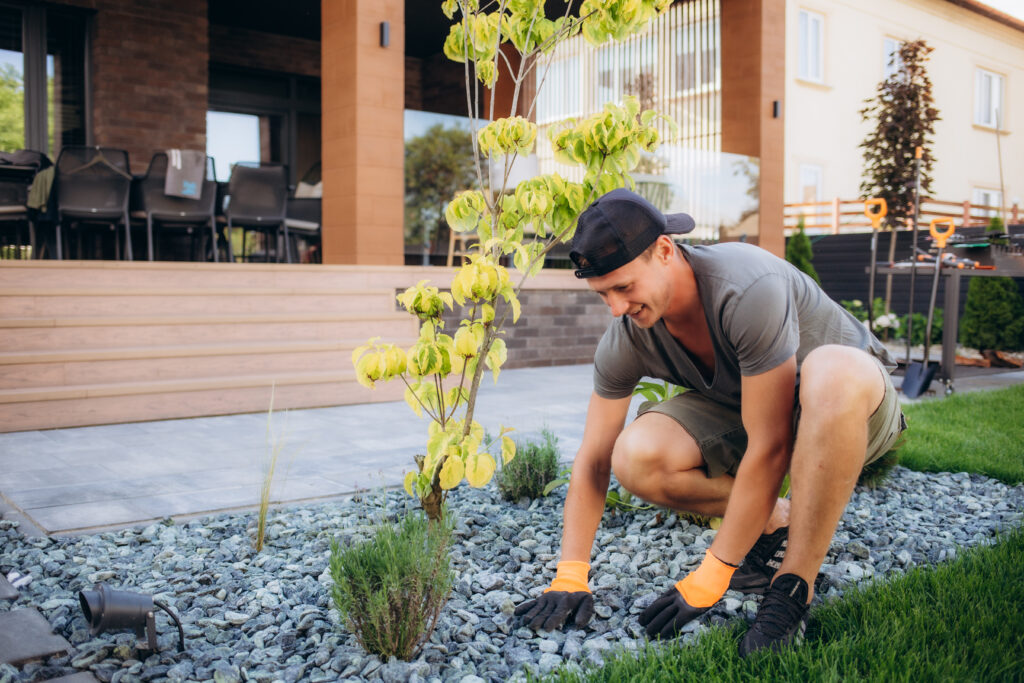
Tools and Techniques for Successful Garden Rock Landscaping
Creating a beautiful rock garden is easier when you have the right tools and techniques. SoilWorx recommends the following:
Essential Tools
Shovel, Rake, and Wheelbarrow: Perfect for moving soil, gravel, and rocks around your garden. These tools make it easier to shape your garden beds and transport materials efficiently.
Trowel and Gloves: Ideal for planting, arranging stones, and handling delicate plants. Gloves protect your hands while the trowel helps with precise planting and stone placement.
Optional Tools: Landscape fabric, edging tools, and a garden hose can help with drainage, clean borders, and finishing touches.
Key Techniques
- Layer Rocks for Depth and Interest: Start with larger stones at the base and fill gaps with smaller stones to create a natural, layered look. Vary the sizes and angles for visual appeal.
- Plan for Drainage: Place rocks strategically to guide water away from plants and prevent pooling. Proper drainage protects plants and prevents soil erosion.
- Position Plants Thoughtfully: Place plants where they will get the right sunlight, spacing, and root room. Combining rock placement with plant layout enhances both aesthetics and plant health.
- Blend Colour and Texture: Mix stone types, colours, and shapes to add contrast and interest, making your rock garden visually dynamic and inviting.
By using the right tools and applying these techniques, your DIY rock garden will not only look professional but also thrive for years to come.
Sourcing Bulk Landscaping Materials in Victoria
SoilWorx provides a wide range of bulk landscaping materials, including:
- Sands, soils, gravels, mulches, pebbles, and foundation materials
- Convenient locations in Deer Park, Pakenham, and Werribee
- Contact: enquiries@soilworx.com.au | 1300 764 596
We offer competitive pricing and reliable delivery to make DIY projects easier for homeowners and contractors alike.
Maintaining and Sustaining Your Rock Garden
Regular maintenance keeps your rock garden thriving:
- Watering: Provide sufficient water, especially in dry periods.
- Weeding: Remove weeds to reduce competition for nutrients.
- Soil Care: Monitor and amend soil to promote healthy plant growth.
Best Practices for Longevity
- Choose durable rocks and plants suited to local weather conditions.
- Maintain a regular watering and weeding routine.
- Ensure proper drainage to prevent water damage and erosion.
Sustainable and Eco-Friendly Landscaping
Using sustainable, locally sourced rocks and plants reduces environmental impact. Organic materials support soil health, while eco-friendly landscaping encourages biodiversity. By making sustainable choices, gardeners can create beautiful, functional spaces that benefit both their property and the planet.