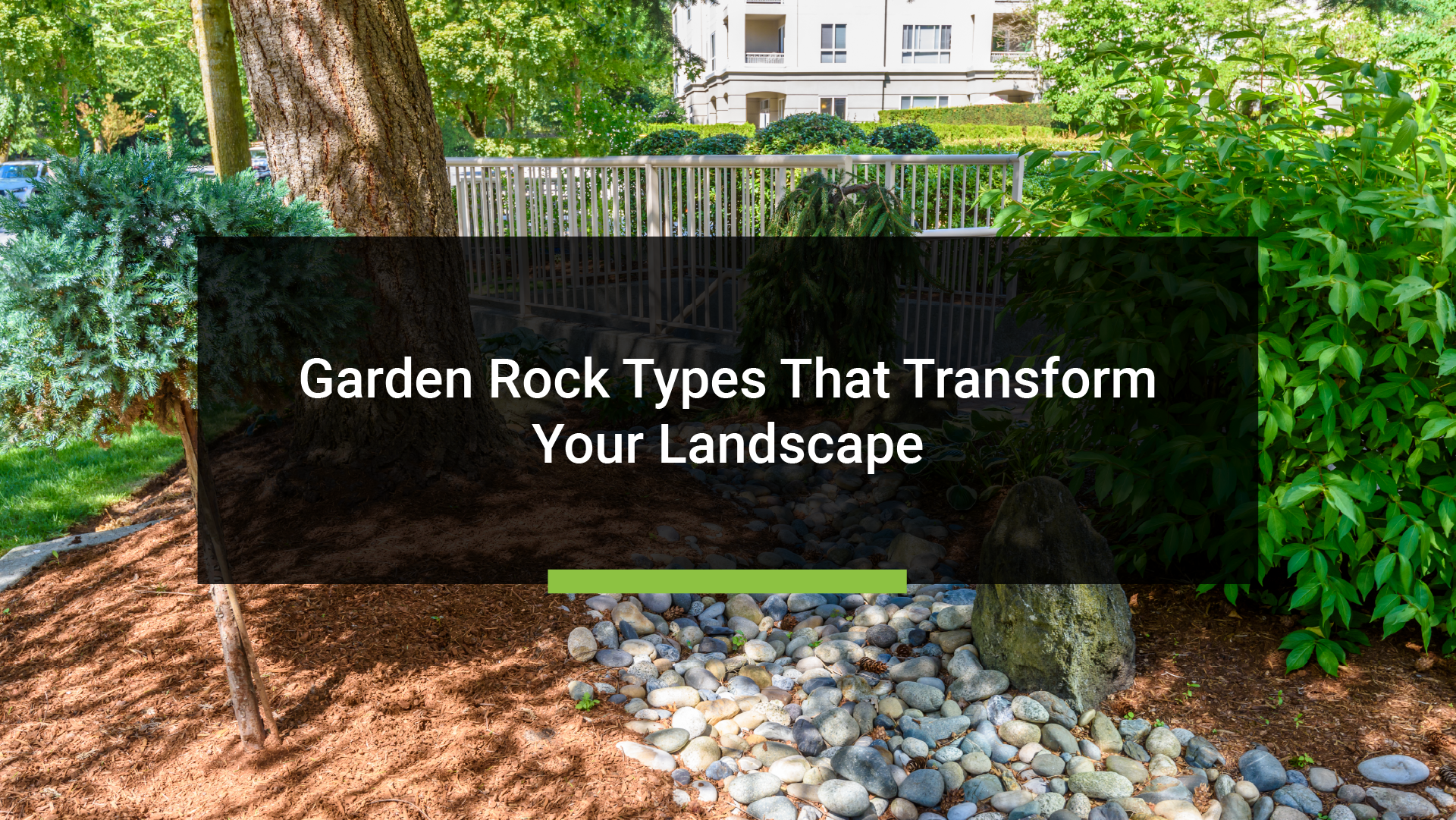
Garden Rock Types That Transform Your Landscape
Using garden rocks thoughtfully can significantly enhance both the appearance and functionality of your outdoor space. Different types of garden rocks and decorative stones each serve unique purposes, from creating attractive pathways to adding texture and contrast. Understanding the characteristics of various garden rocks will help you select the best materials that not only look stunning but also offer durability and low maintenance. This guide explores popular garden rock types, their practical uses, and how they can elevate your garden design. Additionally, we highlight the advantages of using bulk landscaping materials for larger landscaping projects.
Choosing the right garden rock is essential for achieving the desired aesthetic and functional impact in your landscape.
Popular Garden Rock Types That Transform Your Landscape
Various garden rocks and decorative stones can dramatically change the look and feel of your garden. Common and effective options include:
River Rock
River rocks are smooth, rounded stones shaped over time by flowing water. They’re perfect for adding a natural touch to your garden, whether it’s lining pathways, creating a dry creek bed, or enhancing a pond or stream.
Their soft, rounded edges feel comfortable underfoot and give your outdoor space a relaxed, organic vibe. Beyond looks, river rocks also help with drainage and can be mixed with other decorative stones to add texture and interest to your garden.
Granite Stone for Garden
Granite is a tough, long-lasting natural stone that’s ideal for landscaping projects that need strength and durability. Its hardness makes it perfect for edging garden beds, creating stable paving bases, and supporting areas with heavy foot or vehicle traffic.
Granite can withstand the elements without wearing down, making it a low-maintenance choice that will look great for years. Whether used in paths, driveways, or structural features, this stone adds both functionality and a timeless, elegant appearance to any outdoor space.
Sandstone for Your Garden
Sandstone is prized for its warm, earthy tones and natural texture, making it a favourite for adding character to gardens. It’s especially well-suited for building retaining walls, garden steps, and decorative accents that create a welcoming, structured look. Sandstone is also relatively easy to shape and install, allowing for creative designs that blend seamlessly with plants and other landscaping elements. Its natural beauty and durability make it a practical yet stylish choice for both functional and decorative purposes.
Decorative Pebbles
Decorative pebbles are small, colourful stones that bring both charm and practicality to any garden space. They work wonderfully as mulch for garden beds, ground cover to keep soil in place, or accent pieces that highlight plants and pathways. Beyond their visual appeal, decorative pebbles help with water drainage and reduce soil erosion, making them a low-maintenance way to keep your garden neat and healthy while adding texture and interest.
Gravel for Garden
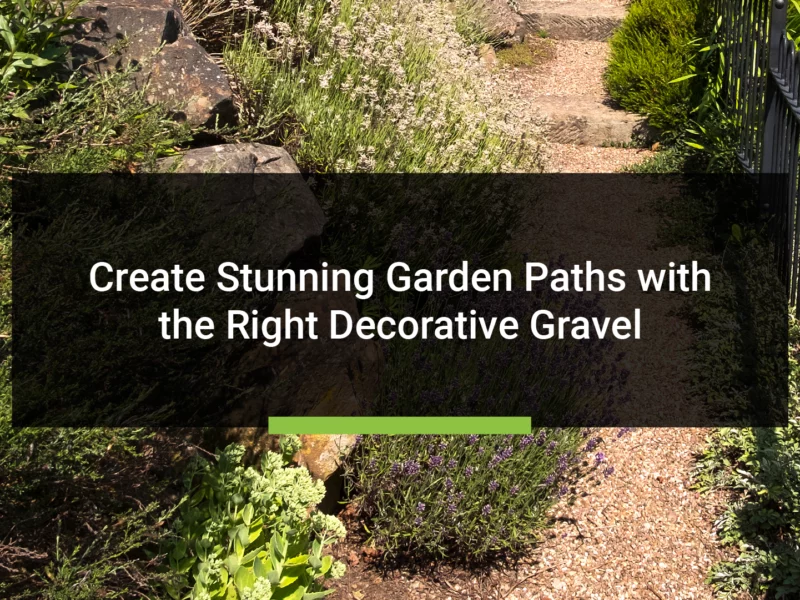
Gravel is one of the most versatile landscaping materials, valued for its durability, excellent drainage, and ability to create clean, practical surfaces. It’s ideal for driveways, garden paths, and drainage swales, helping to manage rainwater while providing a stable surface for walking or driving. Gravel comes in a range of sizes and colours, allowing you to customise the look of your garden while also improving functionality.
Together, these garden rock types not only enhance the beauty of your outdoor space but also provide practical benefits, such as better drainage, reduced soil erosion, and long-lasting, low-maintenance surfaces that make any garden easier to care for.
Most Popular Garden Rocks for Landscape Transformation
| Application | Recommended Rock Types | Primary Benefits |
| Pathways & Driveways | Gravel, Crushed Rock, Pebble Mix | Creates a permeable surface that prevents puddles; durable enough for heavy foot and vehicle traffic. |
| Borders & Edging | Granite, Sandstone, Large River Stones | Provides a clean, defined edge that keeps mulch in place and reduces maintenance at the lawn’s edge. |
| Water Features | River Pebbles, Large Boulders, Basalt | Offers a natural aesthetic; heavier rocks stay submerged and look vibrant when wet in ponds or streams. |
| Ground Cover | Scoria, Decorative Pebbles, Slate Chips | Acts as a permanent mulch that doesn’t blow away or decompose, helping to suppress weeds and retain soil moisture. |
Effective Uses of Garden Rocks in Landscaping
Combining different garden rocks can create outdoor spaces that are both functional and visually appealing. Common landscaping applications include:
- Pathways and Driveways: Gravel and river rock form durable, permeable surfaces that withstand foot and vehicle traffic.
- Borders and Edging: Granite and larger decorative stones offer clean, low-maintenance edges for garden beds and walkways.
- Water Features: River rock and boulders add a natural aesthetic to ponds, streams, and fountains.
These elements enhance garden usability while contributing to a cohesive, polished landscape design.
Differences Between River Rock, Granite, and Sandstone in Garden Use
| Rock Type | Physical Characteristics | Best Landscape Uses | Key Advantages |
| River Rock | Smooth, rounded, and water-worn textures. | Water features, dry creek beds, and informal drainage. | Natural look; comfortable for occasional foot traffic and excellent for water flow. |
| Granite | Hard, dense, and angular with a crystalline finish. | High-traffic pathways, driveways, and structural edging. | Maximum durability; highly resistant to weathering, salt, and heavy loads. |
| Sandstone | Softer, porous, and available in earthy/warm tones. | Decorative retaining walls, paving, and garden features. | Workability: easiest to shape/cut and provides a premium, “built” architectural feel. |
Unique Features of Decorative Garden Stones
Decorative garden stones combine beauty and practicality. Key features include:
- Aesthetic Appeal: Available in a wide range of colours, shapes, and sizes to complement any garden design.
- Versatility: Suitable for pathways, mulched beds, borders, or accent groupings.
- Improved Drainage: Materials such as gravel and pebbles enhance water flow in beds and prevent pooling.
These qualities make decorative stones a practical, low-maintenance choice for enhancing outdoor spaces.
It is also important to consider the composition and environmental impact when selecting decorative rocks for landscaping.
Which Decorative Garden Stones Are Best Suited for Victorian Landscapes?
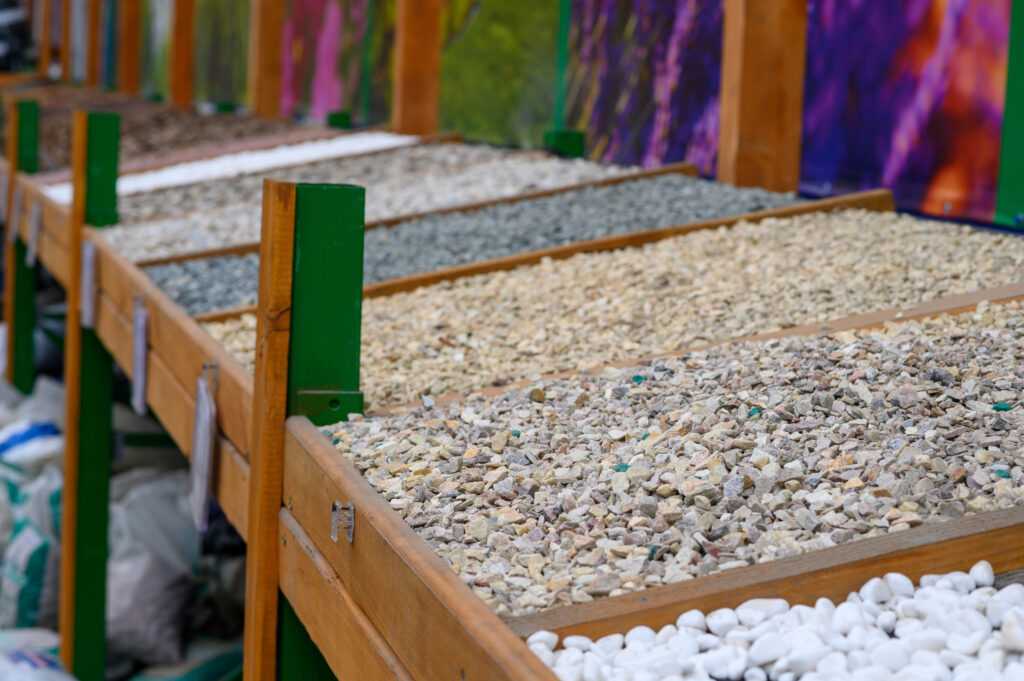
When designing a Victorian landscape, certain decorative stones stand out for their aesthetic appeal and suitability. Here are some popular choices:
White Stones:
These stones are favoured for their ability to create a bright, clean aesthetic that complements traditional Victorian designs.
Arctic 20mm:
Bright, white, rough-edged rocks that add texture and contrast to garden beds.
Marigold Oversized:
Naturally rounded river stones are available in a spectrum of colours, perfect for creating eye-catching features.
Mystic:
A locally sourced basalt stone that adds a unique touch to any garden.
Natural Charm Oversize:
A blend of river pebbles that provides a natural look while enhancing the garden’s overall design.
These stones not only enhance the visual appeal of Victorian gardens but also serve practical purposes, such as improving drainage and soil stability.
How Bulk Landscaping Materials Enhance Garden Design
Purchasing bulk landscaping materials can make large garden projects more affordable and efficient.
Benefits include:
- Cost-Effectiveness: Bulk buying typically lowers the unit price for large areas or multiple deliveries.
- Time Savings: Site delivery of bulk materials reduces handling and transport time.
- Soil Health Improvement: Bulk organic materials like mulch and compost enhance soil structure and plant health.
Choosing bulk supplies is a smart strategy for extensive garden renovations and commercial landscaping projects.
Bulk Supply Options for Landscaping Rocks
When sourcing garden rocks in bulk, consider these options:
- Local Suppliers: Convenient for smaller orders and quick pick-ups with hands-on selection.
- Online Retailers: Provide a wide selection and delivery services, ideal for specific decorative materials.
- Quarries: Often the most economical choice for large quantities and raw materials.
Compare prices, delivery options, and quality across these sources to find the best fit for your landscaping project.
How Pricing Influences Bulk Garden Rock Selection
Price affects your choice of garden rocks in several ways:
- Rock Type: Rare or quarried stones generally cost more than common gravels and pebbles.
- Delivery Costs: Distance and site access impact freight charges; factor these into your budget.
- Order Quantity: Larger orders usually reduce the cost per tonne or cubic metre.
Understanding these factors helps you plan a realistic budget and avoid unexpected expenses.
Best Installation Techniques for Garden Rock Landscaping
Proper installation extends the life and appearance of garden rock features. Follow these best practices:
- Preparation: Clear, level, and compact the base before placing rocks to ensure stability.
- Installation: Use larger stones for structural elements and smaller aggregates to fill and stabilise.
- Maintenance: Monitor for movement, replenish thin areas, and remove weeds as needed.
Good preparation and regular upkeep keep garden rock landscaping looking its best for years.
| Phase | Action Step | Why It Matters |
| 1. Preparation | Clear, Level & Compact | Prevents the ground from shifting; a compacted base ensures your rocks won’t sink into the mud after the first big rain. |
| 2. Foundation | Lay Weed Matting | A heavy-duty geotextile fabric keeps the “soil and stone” separate, preventing weeds and keeping your rocks clean. |
| 3. Installation | Layering Strategy | Using larger stones for the “bones” (structure) and smaller aggregates to fill gaps creates a stable, locked-in surface. |
| 4. Maintenance | Replenish & Monitor | Rocks settle over time; topping up thin spots every few seasons maintains the “polished” look and prevents the base from showing. |
Tools and Methods for Durable Rock Pathways and Edging
Durable garden paths and edges require the right materials and preparation:
- Edging Materials: Use granite, concrete edging, or large boulders to create strong boundaries.
- Installation Accessories: Landscape fabric and geotextiles reduce weed growth while allowing drainage.
- Preparation Techniques: Compact the sub-base and use appropriate materials to prevent settling and movement.
These steps help pathways and edging withstand traffic and weather conditions.
Maintaining Natural Stone Features in Your Garden
Simple maintenance keeps natural stone features functional and attractive:
- Cleaning: Use water and mild detergent to brush away dirt; avoid harsh chemicals on porous stones.
- Preventative Care: Apply suitable sealers to porous stones to reduce staining and weathering.
- Longevity: Inspect for cracks or movement and repair or reset stones promptly.
Regular, sensible care preserves the beauty and lifespan of natural stone in your garden.
Benefits of Natural Stones in Garden Landscaping
Natural stones offer several advantages for garden landscaping:
- Visual Appeal: Unique textures and colours add depth and character to any landscape.
- Moisture Retention: Strategic placement helps conserve soil moisture and reduce watering needs.
- Weed Suppression: Properly installed stone layers minimise weed growth and reduce maintenance.
These benefits make natural stone a popular choice for many garden projects.
How Garden Rocks Improve Aesthetics and Functionality
Garden rocks contribute both visually and practically to landscape design:
- Visual Interest: Varied sizes and colours create focal points and texture contrasts.
- Space Definition: Stones help define garden beds, paths, and seating areas, improving flow.
- Functional Benefits: They assist with drainage, erosion control, and durable surfacing.
Combining form and function is key to effective garden landscape design; the right garden rocks amplify both.
Garden Landscape Design: Aesthetics, Materials & Function
Landscape design balances form, technique, material, and function. It considers sensory experience, meaning, and value to transform materials into expressive, usable spaces that blend creativity with practicality.
The Influence and Application of Aesthetic Art on Garden Landscape Design, 2017
Environmental Advantages of Using Natural Stone in Gardens
Natural stone offers several environmental benefits for garden landscaping:
- Sustainability: Locally sourced natural stone reduces transport emissions and supports local suppliers.
- Resource Conservation: Requires less processing than synthetic alternatives, lowering energy consumption.
- Biodiversity Support: Stones create microhabitats that benefit local wildlife.
For eco-conscious gardeners, natural stone is a durable, low-impact option that combines performance with environmental responsibility.